
BLOG
Summer can be one of the busiest times of the year for commercial properties. Increased visitor traffic, higher temperatures, seasonal weather events, and ongoing building use all place additional demands on facilities. For property managers , a proactive summer maintenance plan can help reduce unexpected issues, maintain tenant satisfaction, and protect the long-term condition of the property. While every building has unique needs, certain maintenance priorities deserve attention during the summer months. Focus on Common Areas Common areas often create the first impression visitors, tenants, and customers have of a property. During the summer, these spaces may experience increased foot traffic, making routine upkeep especially important. Property managers should evaluate lobbies, hallways, elevators, entryways, shared restrooms, and break areas. Regular cleaning and inspection of these spaces helps maintain a professional appearance while reducing wear and tear caused by daily use.

Summer brings longer days, warmer temperatures, and increased activity in many commercial buildings. However, it also introduces a less visible challenge that property managers and business owners cannot afford to ignore: humidity. While humidity may seem like a simple comfort issue, excessive moisture in the air can create a variety of cleaning and maintenance concerns that affect both building conditions and occupant health. Throughout the summer months, commercial facilities often face increased risks related to moisture accumulation, mold growth, mildew development, odors, and indoor air quality concerns . Understanding these challenges can help property managers take proactive steps to maintain healthier and more attractive environments. Commercial properties throughout New Jersey and the surrounding region rely on professional cleaning and maintenance programs to address these seasonal concerns before they become larger problems.
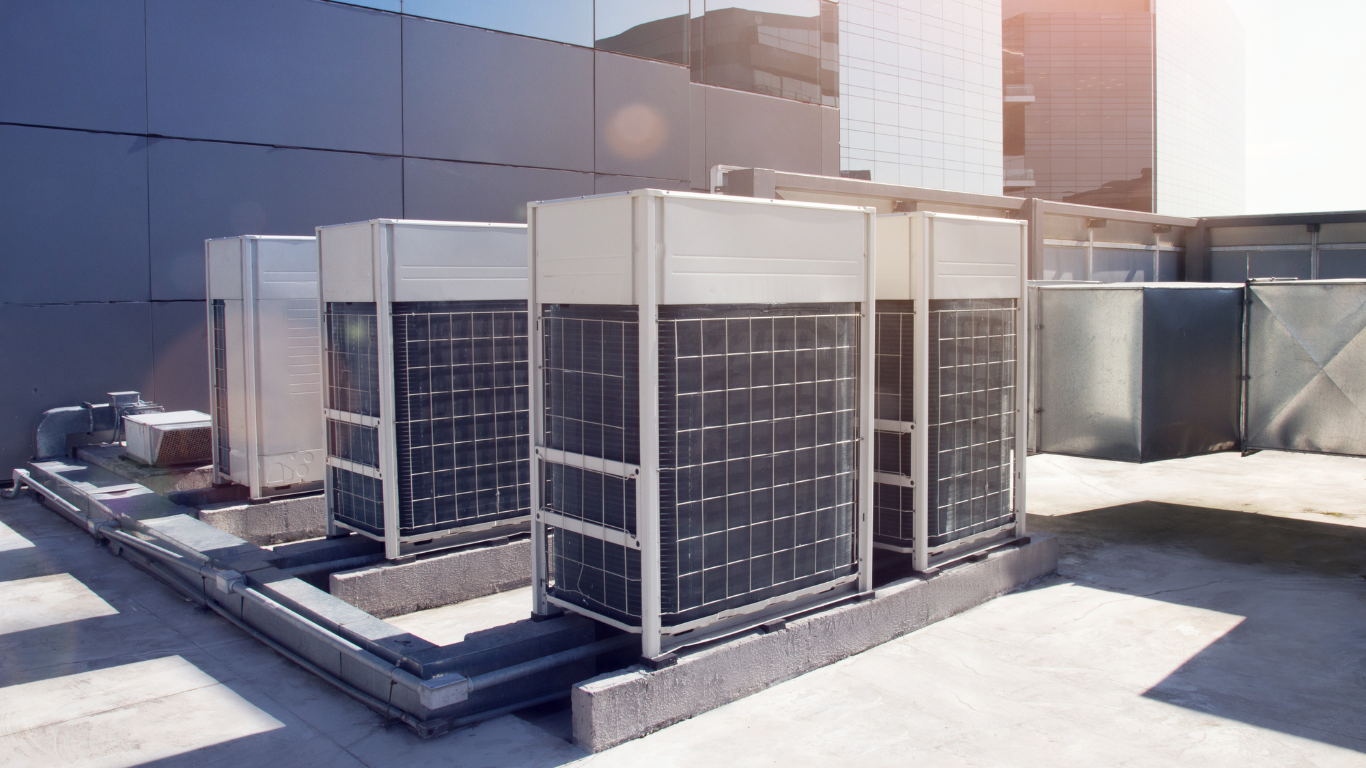
When people think about commercial cleaning, they usually focus on visible surfaces such as floors, restrooms, windows, and common areas. However, one of the most overlooked contributors to building cleanliness is the HVAC system . Heating, ventilation, and air conditioning systems constantly move air throughout a facility, and with that airflow comes dust, debris, and airborne particles that affect overall cleanliness every day. At ABS Facility Solutions, we understand that maintaining a clean commercial environment involves more than surface-level appearance alone. Air circulation patterns and HVAC-related dust accumulation play a major role in how buildings look, feel, and function over time. Airflow Moves Dust Continuously Commercial HVAC systems operate throughout most of the day, circulating air across offices, hallways, breakrooms, lobbies, and shared workspaces. As air moves through the building, microscopic dust particles travel with it. These particles gradually settle onto: Floors Desks and workstations Shelving Window ledges Vents and ceiling areas Electronics and equipment Even buildings that appear relatively clean can accumulate dust continuously because airflow constantly redistributes airborne particles throughout the facility.

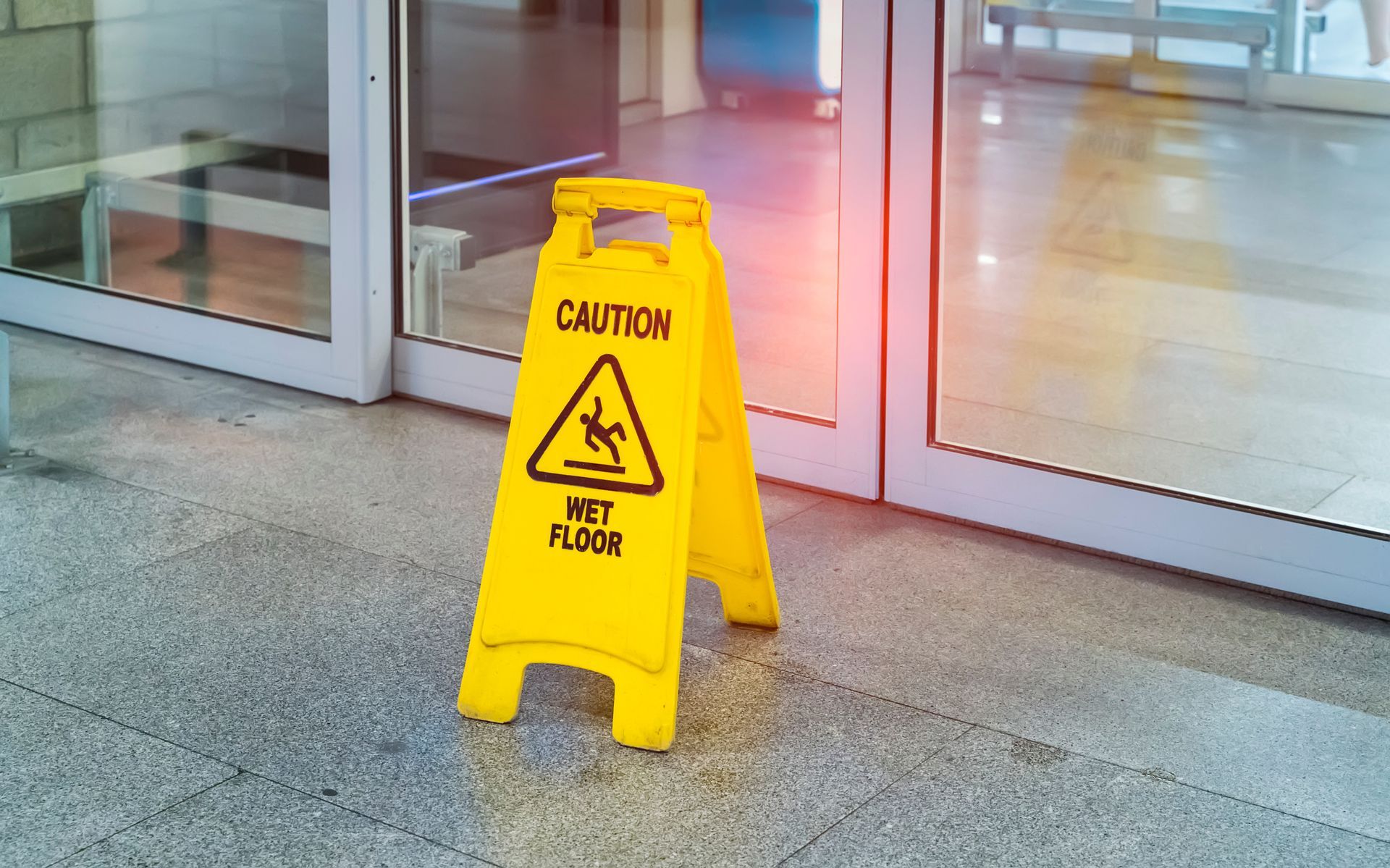
When people think about weather-related property maintenance, they usually focus on exterior surfaces such as roofs, parking lots, or landscaping. However, weather conditions also have a major impact on the interior condition of commercial buildings. Rain, snow, humidity, heat, and seasonal debris all influence how quickly indoor spaces accumulate dirt, moisture, and wear. At ABS Facility Solutions, we understand that effective facility maintenance requires adapting cleaning strategies to changing environmental conditions throughout the year. Weather does not stay outside the building . It constantly affects interior cleanliness, flooring condition, air quality, and overall facility appearance. Moisture Enters Buildings Daily One of the biggest weather-related maintenance challenges is moisture tracking. During rainy weather, snow events, or periods of heavy humidity, water is repeatedly carried indoors through entrances, hallways, and common areas. Even small amounts of moisture create several problems over time, including: Slippery flooring surfaces Increased dirt accumulation Damage to flooring materials Odor development Faster surface deterioration Commercial buildings with high foot traffic experience these issues especially quickly because moisture spreads throughout the facility continuously during the workday.

Workplace cleanliness is often viewed as a practical necessity. Floors need to be cleaned, trash needs to be removed, and shared spaces need to be maintained. While these tasks are operationally important, cleanliness also affects something less visible but equally significant: how employees perceive management and the organization as a whole. The condition of a workplace communicates priorities. Employees notice whether shared spaces are maintained consistently, whether restrooms are cared for, and whether the overall environment feels organized and professional. These observations shape impressions about leadership, attention to detail, and workplace standards. At ABS Facility Solutions, we understand that commercial cleaning is not just about appearance. It is part of how businesses communicate professionalism and consistency internally.

Self-storage facilities are often viewed as low-maintenance environments. Unlike offices, retail spaces, or residential buildings, they do not typically involve daily foot traffic from the same occupants. Units are rented, accessed periodically, and secured again. Because of this, many assume that cleaning needs are minimal. In reality, self-storage facilities present a unique set of challenges that make professional cleaning an important part of ongoing operations. At ABS Facility Solutions, maintaining clean and functional environments across a range of industries includes spaces that are often overlooked, such as self-storage properties. The Nature of Storage Environments Self-storage facilities are designed for durability and utility, not continuous occupancy. Units may sit empty for periods of time, or they may be used to store a wide range of items, including furniture, equipment, and personal belongings. This variability creates conditions where dirt, dust, and debris can accumulate without immediate notice. Because units are not consistently occupied, small issues can develop over time. Dust can settle on surfaces, debris can collect in corners, and environmental factors such as moisture or airflow can affect overall cleanliness. Without regular attention, these conditions can impact both the appearance and usability of the facility.
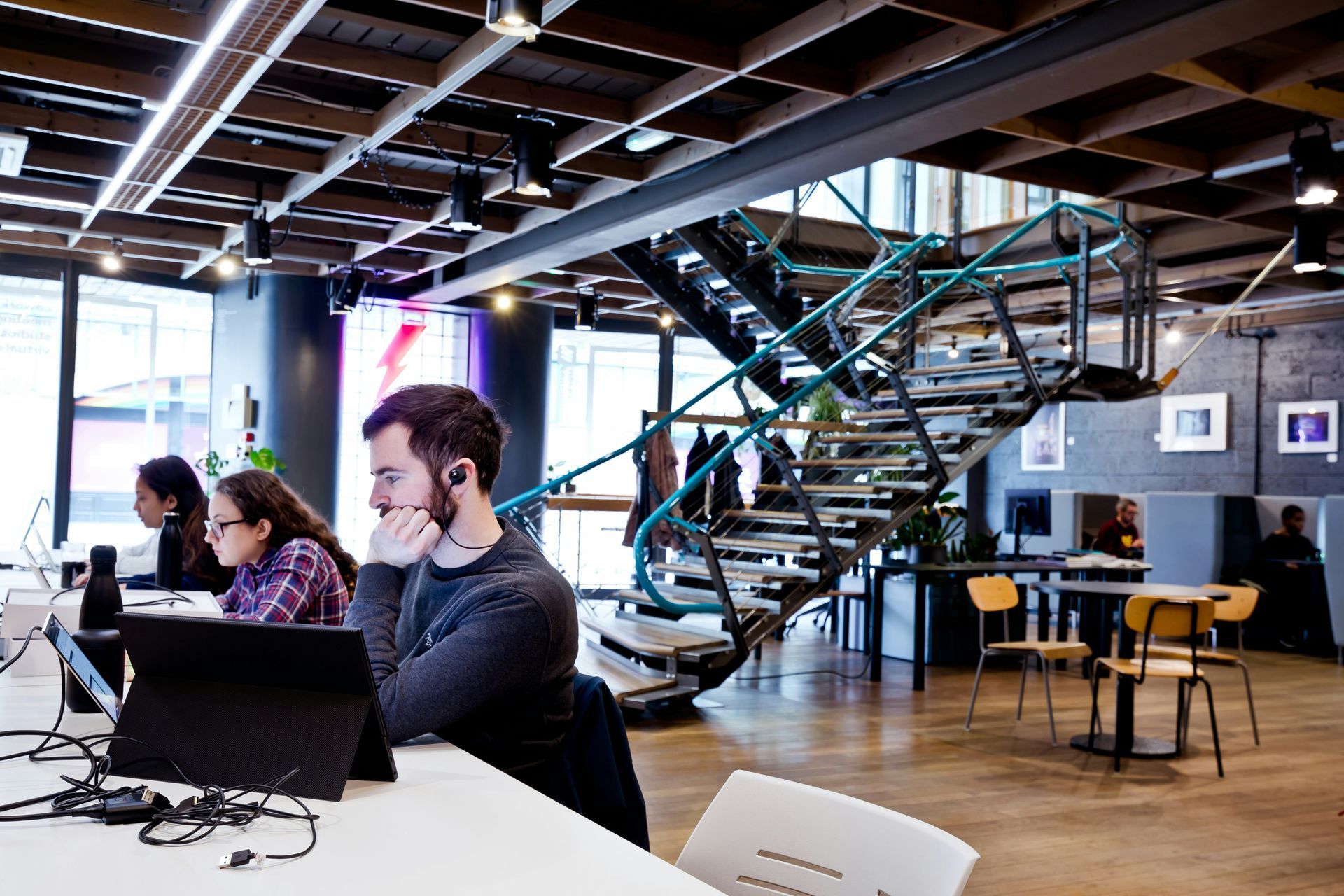
Co-working spaces have become a prominent part of the modern workplace. Designed for flexibility and shared use, these environments bring together individuals and businesses under one roof. While this model offers clear advantages in collaboration and efficiency, it also creates unique challenges when it comes to maintaining cleanliness. Unlike traditional office settings, co-working spaces operate with constant movement, varied usage patterns, and shared responsibility for common areas. As a result, they require a more adaptive and strategic approach to cleaning. A Constantly Changing Environment One of the defining characteristics of co-working spaces is their dynamic nature. Occupants may change daily, and usage levels can fluctuate throughout the week. This creates conditions where: Workstations are used by different individuals over short periods Common areas experience continuous traffic Cleaning needs shift based on occupancy levels Because there is no fixed routine for how the space is used, cleaning strategies must be flexible enough to respond to these variations.

Labs and hands-on learning environments present a unique set of challenges that go far beyond standard classroom cleaning. From technical training facilities to educational labs and vocational schools, these spaces are designed for active use. Students and instructors engage directly with materials, equipment, and processes that can leave behind residue, debris, and contaminants. Because of this, cleaning in these environments must be approached with a higher level of precision, consistency, and understanding. A Different Type of Daily Use Unlike traditional classrooms, labs and training environments are built for interaction. Surfaces are used for experiments, demonstrations, and practical instruction, which creates a more complex cleaning landscape. These spaces often involve: Frequent handling of tools and equipment Exposure to various materials and substances Continuous movement of people and resources This level of activity increases the potential for buildup and requires more than routine cleaning practices.
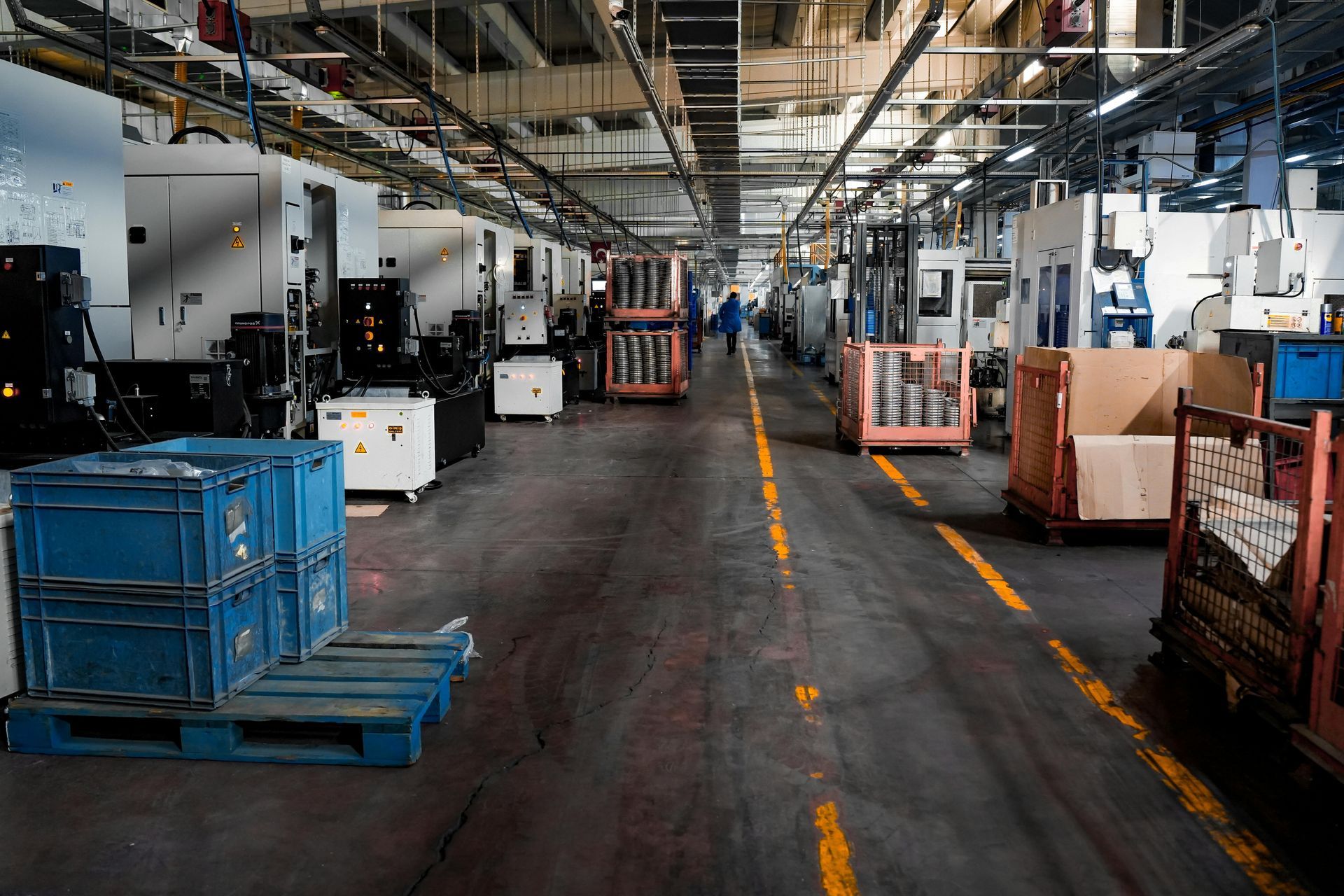
Maintaining a clean manufacturing facility is more than a routine task — it’s a critical part of operational efficiency, equipment performance, and workplace safety . Many plants focus on machinery and production processes, but industrial cleaning standards are often overlooked, especially in areas that directly affect productivity. 1. Hidden Areas That Impact Manufacturing Operations In manufacturing environments, cleaning goes far beyond visible surfaces. Dust, residue, and industrial buildup accumulate in areas that are easy to miss but essential for safe operations. Commonly overlooked areas include: Equipment bases and undersides Overhead structures and supports Ventilation systems and ducts Corners, edges, and low‑visibility zones Neglecting these areas can lead to contamination, equipment strain, and long‑term operational issues.

Event venues are designed to host large gatherings, celebrations, and professional functions. From weddings and conferences to concerts and corporate events, these spaces must accommodate high volumes of people in short periods of time. While the focus is often on logistics, entertainment, and guest experience, one critical factor operates behind the scenes: cleaning. Unlike traditional commercial spaces, event venues experience rapid cycles of use. A room may host hundreds of guests one evening and need to be fully reset for a completely different event the next day. Without a structured cleaning plan, it becomes difficult to maintain consistency, meet expectations, and ensure a safe environment for guests and staff. The Unique Demands of Event Spaces Event venues face cleaning challenges that differ from standard offices or retail environments. High foot traffic, food and beverage service, and frequent setup changes all contribute to increased wear on the space. Spills, trash accumulation, and restroom usage can escalate quickly during events. In addition, venues must maintain a polished appearance at all times, as cleanliness directly affects guest perception. Because events often run on tight schedules, cleaning must be efficient, thorough, and well-coordinated.
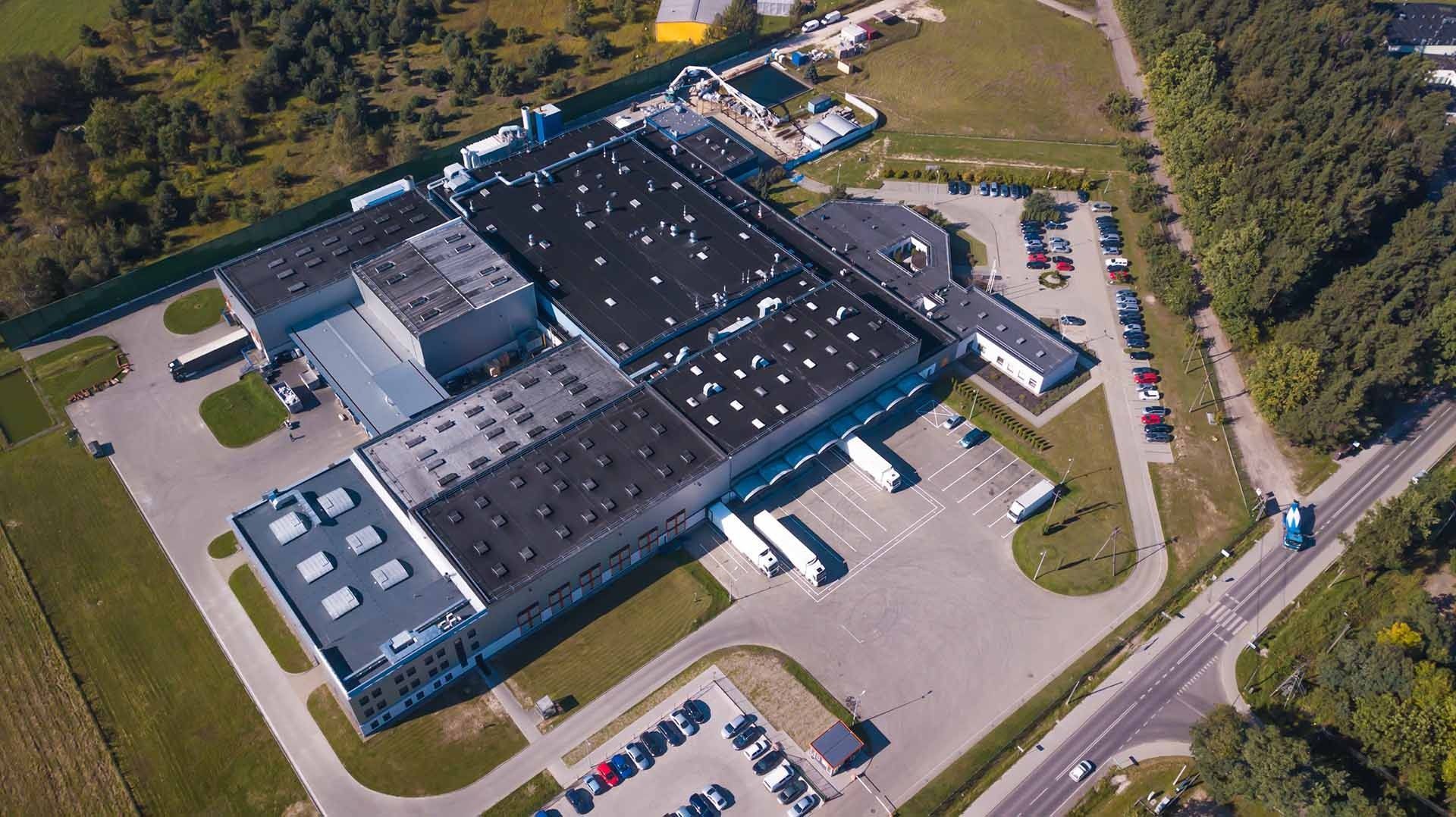
Distribution and fulfillment centers are designed for speed, accuracy, and consistent output. Every process within these facilities is optimized to move products quickly and reliably. While technology and logistics planning often receive the most attention, cleanliness plays a critical role in supporting daily operations. A clean facility is not simply a matter of appearance. It directly affects how efficiently a distribution center functions. Clean Floors Support Movement and Safety Fulfillment centers depend on constant movement . Employees, forklifts, pallet jacks, and automated systems all rely on stable and predictable surfaces. When floors accumulate dust, debris, or residue, movement can become less efficient. Common issues caused by unclean floors include: Reduced traction for equipment Increased risk of slips and trips Obstructed pathways that slow operations Even minor disruptions can have a measurable impact in high-volume environments. Clean floors help maintain consistent movement and reduce avoidable delays.
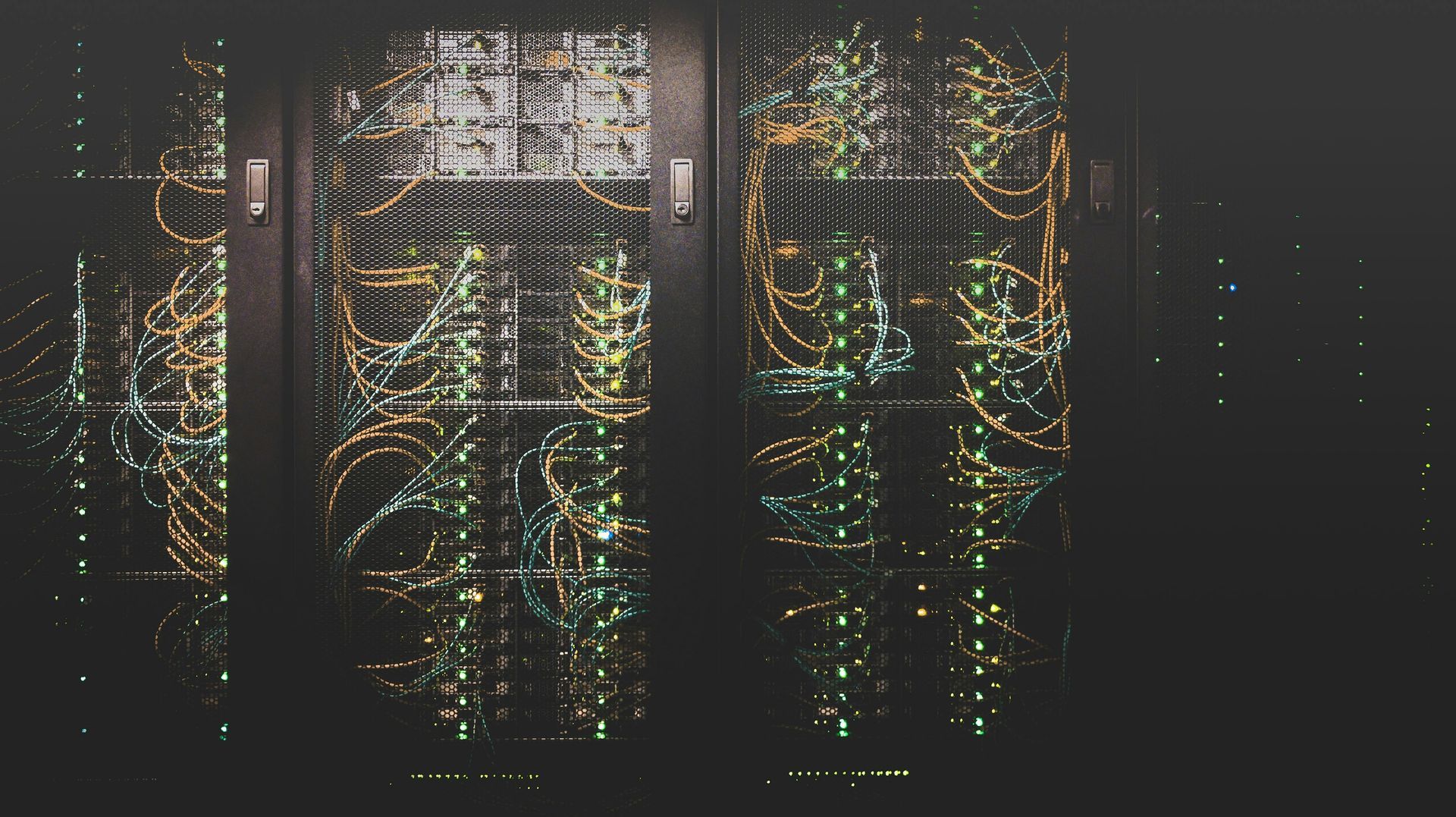
Protecting Sensitive Equipment Data centers are often viewed as highly controlled environments where cleanliness is already built into daily operations. With advanced cooling systems, restricted access, and carefully managed infrastructure, it may seem as though these facilities require little outside maintenance. However, data centers still depend on professional cleaning services to maintain optimal performance, protect sensitive equipment, and ensure long-term reliability. While data centers differ from traditional commercial spaces, their cleaning needs are just as important, if not more so. The presence of dust, debris, and environmental contaminants can have a direct impact on equipment efficiency and operational stability.